
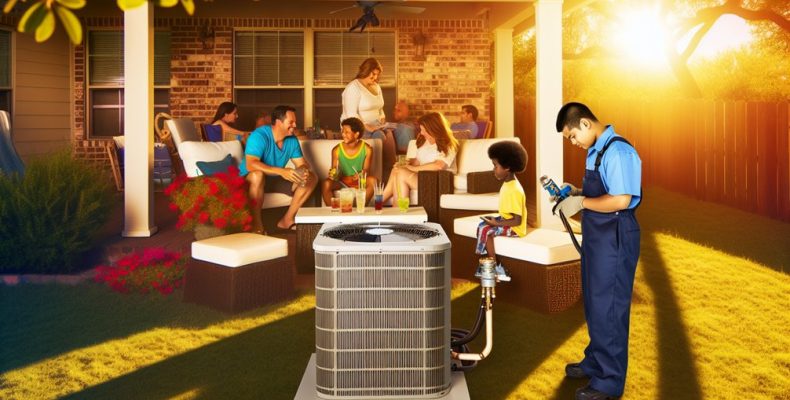
To keep cool this summer in Dallas and save money, optimize your thermostat settings, schedule regular HVAC maintenance, and seal ductwork leaks. Utilize ceiling fans effectively and block out direct sunlight with curtains or window films. Upgrading to energy-efficient appliances can also make a difference. Finally, consider smart home technology for better energy management. These steps can greatly reduce your energy bills, and there’s even more you can do to maximize your savings.
Optimize Your Thermostat Settings
When you optimize your thermostat settings, you can greatly enhance your home’s comfort while reducing energy costs.
Start by setting your thermostat to a higher temperature when you’re not home. Even a few degrees can make a big difference.
During the hottest parts of the day, consider using a programmable thermostat to adjust the temperature automatically. You can also utilize features like “eco mode” to save energy without sacrificing comfort. Implementing energy-efficient practices can significantly reduce your overall utility expenses. Additionally, utilizing real-time traffic updates can help you plan your day better and avoid peak times when you might need to use your HVAC system more.
If you’re using ceiling fans, remember to set your thermostat a few degrees higher since the moving air will make you feel cooler.
Finally, don’t forget to regularly check and adjust settings based on seasonal changes, ensuring you maintain an ideal balance between comfort and efficiency throughout the summer. Additionally, consider consulting with a premier SEO services firm to improve your home’s energy efficiency knowledge and strategies.
Schedule Regular HVAC Maintenance
Optimizing your thermostat settings is a great start, but to keep your home cool and energy-efficient all summer long, scheduling regular HVAC maintenance is key.
By having a professional inspect your system, you can identify potential issues before they escalate into costly repairs. Routine maintenance includes cleaning or replacing filters, checking refrigerant levels, and ensuring all components are functioning properly.
This not only helps your system run more efficiently but also extends its lifespan. Plus, a well-maintained HVAC system uses less energy, which translates to lower utility bills.
Don’t wait for a breakdown—set up a maintenance schedule now, and enjoy a comfortable home all summer while saving money in the process. Your future self will thank you!
Seal and Insulate Ductwork
Although you may not think about it often, sealing and insulating your ductwork can greatly improve your home’s cooling efficiency.
Leaky ducts can cause cool air to escape, forcing your HVAC system to work harder and drive up energy bills. By sealing gaps and joints with mastic or metal tape, you’ll guarantee that the air flows where it’s needed most.
Insulating your ductwork, especially in unconditioned spaces like attics or crawl spaces, prevents cool air from heating up before reaching your living areas. This simple step not only enhances comfort but also reduces energy waste, saving you money in the long run.
Don’t overlook this vital aspect of your HVAC system—taking action now will pay off all summer long.
Utilize Ceiling Fans Effectively
To keep your home cool, it’s essential to use ceiling fans correctly.
First, make sure the fan direction suits the season—counterclockwise in summer for a cooling breeze.
Next, consider the placement of your fans to maximize airflow in your space.
Fan Direction Matters
When summer heat hits, the direction of your ceiling fan can make a noticeable difference in your comfort. To beat the heat, make sure your fan rotates counterclockwise. This setting pushes cool air down, creating a breeze that helps lower your perceived temperature. You’ll feel cooler without cranking up the air conditioning, which can save you money on energy bills.
If you’re using the fan in winter, switch it to clockwise. This helps circulate warm air that rises, keeping your space cozy and reducing heating costs.
Optimize Fan Placement
Adjusting your ceiling fan’s direction is just the first step in maximizing its cooling potential.
To really optimize your fan placement, consider the layout of your room. Position fans in areas where you spend the most time, like living rooms or bedrooms. Make sure they’re at least seven feet above the floor for effective air circulation.
Also, try to angle the fans toward the center of the room to create a consistent breeze. If you have multiple fans, stagger their placements to cover more ground.
During hot days, use your ceiling fan alongside your air conditioning to distribute cooled air effectively, allowing you to set your thermostat a bit higher without sacrificing comfort. You’ll notice the difference in your energy bills!
Block Out Direct Sunlight
Blocking out direct sunlight is essential for keeping your home cool during the sweltering summer months. You can start by closing curtains and blinds during the hottest parts of the day.
Using blackout shades or thermal curtains can greatly reduce heat gain. If you haven’t already, consider installing window films that reflect sunlight while allowing natural light in.
Adding awnings or outdoor shades can also help keep your windows cooler. Don’t forget to plant trees or tall shrubs near your home; they provide shade and lower the temperature around your property.
Upgrade to Energy-Efficient Appliances
Upgrading to energy-efficient appliances can considerably lower your energy bills while keeping your home comfortable during the summer.
These appliances are designed to use less energy without sacrificing performance, which means you can enjoy a cooler home without worrying about skyrocketing costs. Look for ENERGY STAR-rated products—these meet strict efficiency guidelines set by the EPA.
When you replace older models, you’ll not only save on electricity but also reduce your carbon footprint.
Consider swapping out your refrigerator, washing machine, or air conditioning unit for high-efficiency versions. Even small changes can add up to significant savings over time.
Investing in energy-efficient appliances is a smart move that pays off, ensuring you stay cool while being kind to your wallet and the environment.
Consider Smart Home Technology
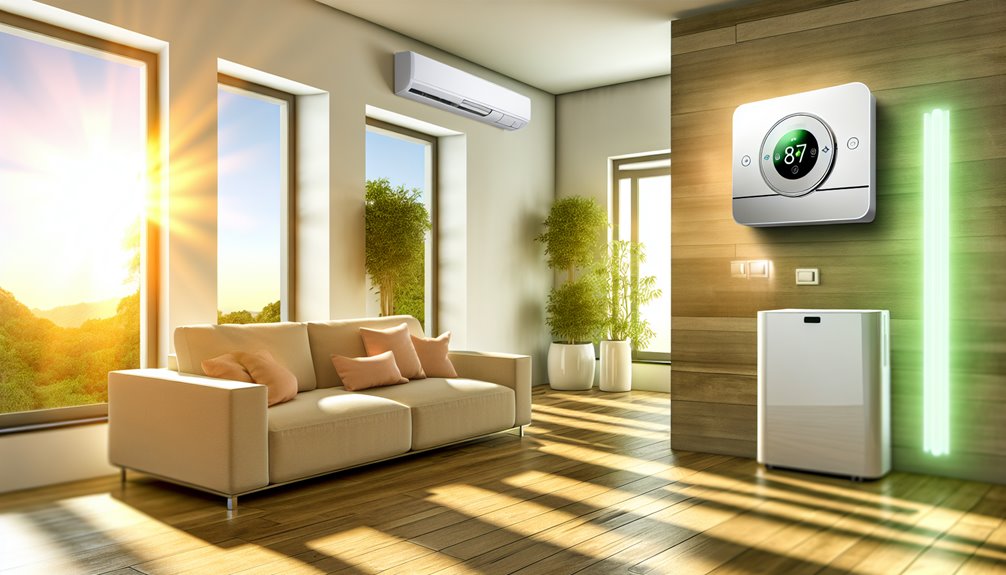
While you might think that cooling your home requires only traditional methods, incorporating smart home technology can revolutionize your summer comfort.
Smart thermostats allow you to control your HVAC system remotely, ensuring it runs only when you need it. You can set schedules, adjust temperatures, and even receive alerts about system performance, which can help prevent costly repairs.
Additionally, smart fans and shades can work in tandem with your HVAC system, optimizing airflow and reducing heat gain.
With smart home technology, you’ll not only enhance comfort but also improve energy efficiency, leading to lower utility bills.
Ultimately, these innovations can create a more enjoyable living environment while saving you money during the hot summer months.
Frequently Asked Questions
How Often Should I Replace My HVAC Air Filters?
You should replace your HVAC air filters every 1 to 3 months, depending on usage and filter type. Regularly checking and changing them keeps your system efficient and improves indoor air quality. Don’t skip this important maintenance!
What Is the Ideal Temperature Setting for Summer Cooling?
The ideal temperature setting for summer cooling is around 78°F when you’re home. This balance keeps you comfortable while saving energy. When you leave, you can raise it a bit more for extra savings.
Can I Install Insulation Myself, or Should I Hire a Professional?
You can install insulation yourself if you’re handy and have the right tools. However, hiring a professional guarantees proper installation, better energy efficiency, and peace of mind, especially if you’re unsure about the process.
How Do I Know if My HVAC System Is Too Old?
To determine if your HVAC system’s too old, check its age, efficiency ratings, and repair frequency. If it’s over 15 years and needs constant repairs, it’s probably time for an upgrade.
What Are the Signs of an Inefficient Cooling System?
If your cooling system struggles to maintain a comfortable temperature, makes unusual noises, or shows a significant increase in energy bills, it’s likely inefficient. Regular maintenance can help you identify and address these issues early.
Conclusion
By implementing these summer cooling fixes, you can keep your home comfortable while saving money on energy bills. Optimizing your thermostat, scheduling maintenance, sealing ducts, and using fans effectively all make a difference. Don’t forget to block out sunlight, upgrade to energy-efficient appliances, and consider smart home technology to enhance your savings. With a little effort, you’ll enjoy a cooler home and a lighter wallet this summer. Start making these changes today!