
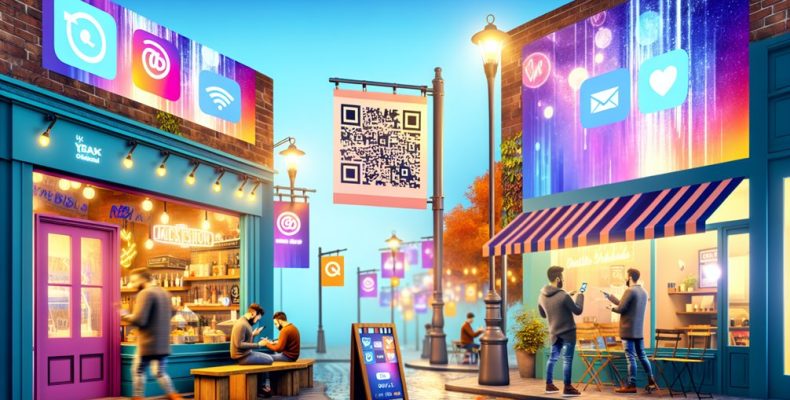
To thrive before Q4, your local business should embrace digital trends like social media advertising to connect with your audience effectively. Optimize for local SEO to enhance your visibility and attract nearby customers. Implement e-commerce solutions for a seamless shopping experience. Don’t overlook influencer partnerships and mobile optimization to reach a broader audience. Incorporate sustainable practices and personalize your email marketing to engage recipients. Stick around to uncover more strategies that can elevate your business.
Embracing Social Media Advertising
As local businesses navigate the digital landscape, embracing social media advertising can greatly enhance your visibility and engagement with potential customers.
Social media platforms like Facebook, Instagram, and Twitter allow you to target specific demographics, ensuring your ads reach the right audience. With visually appealing content, you can showcase your products or services, driving interest and clicks. Additionally, utilizing marketing automation can streamline your advertising efforts and improve efficiency. Google Maps, with its user-generated content, provides an excellent platform for local businesses to connect with customers through location-based advertising.
Regularly posting engaging updates keeps your audience connected and informed. Plus, using analytics tools helps you track engagement and adjust your strategy effectively.
Don’t forget to interact with your followers—responding to comments and messages builds community and loyalty. Additionally, consider partnering with experts in digital marketing services to maximize your advertising impact.
Optimizing for Local SEO
To thrive in your local market, optimizing for local SEO is essential. Start by claiming your Google My Business listing; this helps potential customers find you easily.
Make certain your business name, address, and phone number (NAP) are consistent across all platforms. Use local keywords in your website content, meta descriptions, and blog posts to improve search visibility.
Encourage satisfied customers to leave positive reviews, as they can boost your rankings. Don’t forget to create local backlinks by partnering with other businesses or engaging in community events.
Finally, monitor your performance with tools like Google Analytics to adjust your strategy as needed. These steps will enhance your local presence and attract more customers before Q4.
Leveraging Video Marketing
Video marketing is a powerful tool for local businesses looking to engage their audience and boost brand awareness. By creating compelling videos, you can showcase your products, share customer testimonials, or highlight your community involvement. This not only humanizes your brand but also fosters a deeper connection with your audience.
Don’t forget to optimize your videos for local searches. Use relevant keywords in your titles and descriptions to increase visibility. Share your videos on social media platforms where your target audience spends their time, and encourage sharing to expand your reach.
Finally, consider live videos or behind-the-scenes content to provide an authentic glimpse into your business. By leveraging video marketing effectively, you’ll capture attention and drive traffic to your brand before Q4.
Implementing E-commerce Solutions
To thrive in today’s market, you need to implement effective e-commerce solutions that make shopping easy for your customers.
A streamlined checkout process can notably boost your sales, while mobile optimization guarantees your site looks great on any device.
Let’s explore how these strategies can transform your local business.
Streamlined Checkout Process
As consumers increasingly expect seamless shopping experiences, local businesses must prioritize a streamlined checkout process to stay competitive.
Simplifying the checkout can greatly reduce cart abandonment rates, so it’s essential to offer multiple payment options, including credit cards, digital wallets, and even buy-now-pay-later solutions.
Minimize the number of steps required to complete a purchase; fewer clicks mean happier customers. Also, consider implementing guest checkout options to avoid frustrating users with lengthy account registration.
Clear, concise communication is key; display shipping costs and delivery times upfront.
Finally, make sure your website is secure—customers need to feel safe when sharing their information.
Mobile Optimization Strategies
While many shoppers now browse and buy using their mobile devices, local businesses must guarantee their e-commerce solutions are fully optimized for this trend.
Start by ensuring your website is responsive, meaning it adjusts seamlessly to any screen size. Simplify navigation so customers can easily find what they need. Use high-quality images and concise product descriptions to enhance the shopping experience.
Implement a one-click checkout option to reduce cart abandonment rates. Don’t forget to optimize loading speeds; slow sites can drive customers away. Finally, integrate secure payment options to build trust.
Utilizing Influencer Partnerships

When it comes to influencer partnerships, choosing the right influencers is essential for connecting with your target audience.
You’ll want to focus on building authentic relationships that resonate with both your brand and the influencers’ followers.
Finally, measuring partnership success helps you understand the impact and refine your approach for future collaborations.
Choosing the Right Influencers
How do you choose the right influencers for your local business? Start by identifying influencers whose audience aligns with your target market. Look for those who share your brand values and have a genuine connection with their followers.
Check their engagement rates—high likes and comments indicate an active, interested audience. Don’t just focus on follower count; micro-influencers often have more loyal communities.
Next, analyze their content style and tone to verify it matches your brand’s voice. Reach out with a clear proposal that outlines mutual benefits, showcasing how the partnership can enhance both your brand and their content.
Finally, assess past collaborations to see how effective they were in driving engagement or conversions, making sure you choose wisely for your campaign’s success.
Building Authentic Relationships
Building authentic relationships with influencers can greatly enhance your local business’s visibility and credibility. Start by engaging with them genuinely; comment on their posts and share their content. Show that you appreciate their work and align with their values.
When you approach them for a partnership, be clear about your goals and what you can offer in return. Collaborative campaigns should feel organic, not forced, so brainstorm ideas together that resonate with both your audiences.
Also, consider providing exclusive offers or experiences for their followers, which can create excitement. Remember, a successful influencer partnership is built on trust and mutual respect, fostering a connection that benefits everyone involved.
This approach can lead to long-lasting relationships that drive growth for your business.
Measuring Partnership Success
Engaging with influencers is just the beginning; measuring the success of these partnerships is where the real value lies. To effectively gauge performance, track key metrics such as engagement rates, reach, and conversions.
Use tools like Google Analytics to determine traffic changes driven by influencer campaigns.
Don’t forget to assess brand sentiment through social listening tools, which can provide insights into how your audience perceives the collaboration. Additionally, set clear objectives before launching any campaign—whether that’s increasing brand awareness or driving sales.
Regularly review these metrics to identify what works and what doesn’t. This data not only helps refine your strategy but also strengthens future relationships with influencers, ensuring a more impactful partnership moving forward.
Enhancing Customer Experience With Chatbots

As businesses endeavor to meet rising customer expectations, chatbots have emerged as a powerful tool to enhance the customer experience. By implementing chatbots, you can provide instant responses to customer inquiries, ensuring they don’t have to wait for assistance.
These virtual assistants can handle common questions, freeing up your team to tackle more complex issues. Furthermore, chatbots are available 24/7, allowing customers to engage with your business whenever they choose. This availability can markedly improve customer satisfaction and loyalty.
Additionally, chatbots can gather valuable insights about customer preferences, helping you tailor your offerings. By embracing this technology, you’re not just keeping up with trends; you’re setting your business up for success in a competitive marketplace.
Focusing on Mobile Optimization
Since a significant portion of web traffic now comes from mobile devices, focusing on mobile optimization has become essential for local businesses. You need to guarantee your website loads quickly and displays properly on smartphones and tablets.
A responsive design adapts to different screen sizes, enhancing user experience. Simplifying navigation and making buttons larger can help customers easily interact with your site.
Don’t forget about local SEO; optimizing your content for mobile search can drive more traffic to your business. Additionally, consider using mobile-friendly payment options to streamline the checkout process.
By prioritizing mobile optimization, you’ll not only improve customer satisfaction but also increase your chances of converting visitors into loyal customers.
Make these adjustments before Q4 to stay competitive.
Adopting Sustainable Practices in Marketing

Mobile optimization isn’t the only area where local businesses can improve their strategies; adopting sustainable practices in marketing is becoming increasingly important.
Consumers are more conscious of environmental impacts and prefer brands that align with their values. You can start by using eco-friendly materials in your promotional materials and emphasizing your commitment to sustainability in your messaging.
Highlight your green initiatives on your website and social media platforms to attract like-minded customers. Consider partnering with local eco-conscious organizations to enhance your credibility and community ties.
By integrating these sustainable practices, you not only contribute to the environment but also build a loyal customer base that appreciates your efforts.
In today’s market, sustainability isn’t just a trend; it’s an essential part of your business strategy.
Personalizing Email Marketing Campaigns
While many local businesses rely on generic email blasts, personalizing your email marketing campaigns can greatly boost engagement and customer loyalty.
Start by segmenting your audience based on their preferences, purchase history, or demographics. This allows you to tailor your content, making it more relevant and appealing. Use the recipient’s name in the subject line and throughout the email to create a personal touch.
Consider sending targeted offers or recommendations based on their past interactions with your brand. Don’t forget to include personalized subject lines that spark curiosity.
Analyzing Data for Informed Decision Making

To make informed decisions, you need to leverage analytics tools effectively.
Start by identifying key performance indicators that matter to your business, and use predictive modeling to anticipate trends.
This approach will help you stay ahead and adapt your strategies accordingly.
Leveraging Analytics Tools Effectively
As you navigate the complexities of running a local business, leveraging analytics tools effectively can transform raw data into actionable insights.
Start by choosing the right tools that suit your business needs, whether it’s Google Analytics, social media insights, or customer relationship management software. Once you’ve set them up, focus on tracking relevant metrics that matter most to your goals.
Regularly analyze trends and patterns in customer behavior, sales, and marketing performance to uncover opportunities for improvement. Don’t just collect data; use it to inform your decisions, tweak strategies, and enhance customer experiences.
Identifying Key Performance Indicators
Identifying key performance indicators (KPIs) is essential for making informed decisions that drive your local business forward. Start by pinpointing what matters most to your goals—whether it’s sales revenue, customer retention, or website traffic.
Once you’ve established these metrics, gather data regularly to track your performance. This will help you identify trends and areas for improvement.
Don’t forget to set specific, measurable targets for each KPI to provide clear benchmarks for success. Regularly review your KPIs to guarantee they align with your business objectives and adapt as needed.
Predictive Modeling for Trends
While understanding historical data is essential, predicting future trends through predictive modeling can greatly enhance your decision-making process. By leveraging algorithms and statistical techniques, you can analyze current data to forecast outcomes, identify patterns, and make informed choices.
This approach helps you anticipate customer behavior, optimize inventory, and tailor marketing strategies effectively.
You’ll want to integrate predictive analytics tools to streamline this process, allowing you to make data-driven decisions quickly. Plus, by continually refining your models with new data, you can improve accuracy over time.
Frequently Asked Questions
How Can I Measure the Success of Social Media Ads?
To measure the success of your social media ads, track metrics like engagement, click-through rates, and conversions. Use analytics tools to gather data, and adjust your strategies based on what works best for your audience.
What Are the Best Tools for Local SEO Optimization?
To optimize your local SEO, use tools like Google My Business, Moz, and SEMrush. They’ll help you track rankings, manage listings, and analyze competitors. Regularly updating your content will also boost your visibility in local searches.
How Long Should My Video Marketing Content Be?
Your video marketing content should ideally be between 30 seconds to two minutes. This length keeps viewers engaged, delivers your message effectively, and suits platforms like social media where attention spans are shorter.
What Platforms Are Best for E-Commerce Solutions?
For e-commerce solutions, you’ll find platforms like Shopify, WooCommerce, and BigCommerce ideal. They offer user-friendly interfaces, customizable features, and robust support, making it easier for you to launch and manage your online store effectively.
How Do I Choose the Right Influencer for My Brand?
To choose the right influencer for your brand, consider their audience demographics, engagement rates, and content style. Make sure their values align with yours, and don’t hesitate to reach out for collaboration discussions.
Conclusion
As you gear up for Q4, embracing these digital trends can set your local business apart. By diving into social media advertising, optimizing for local SEO, and leveraging video marketing, you’ll connect with your audience more effectively. Don’t forget to personalize your email campaigns and analyze data for smarter decisions. Adopting sustainable practices and focusing on mobile optimization will also enhance your brand’s appeal. Get started now, and watch your business thrive in the coming months!